
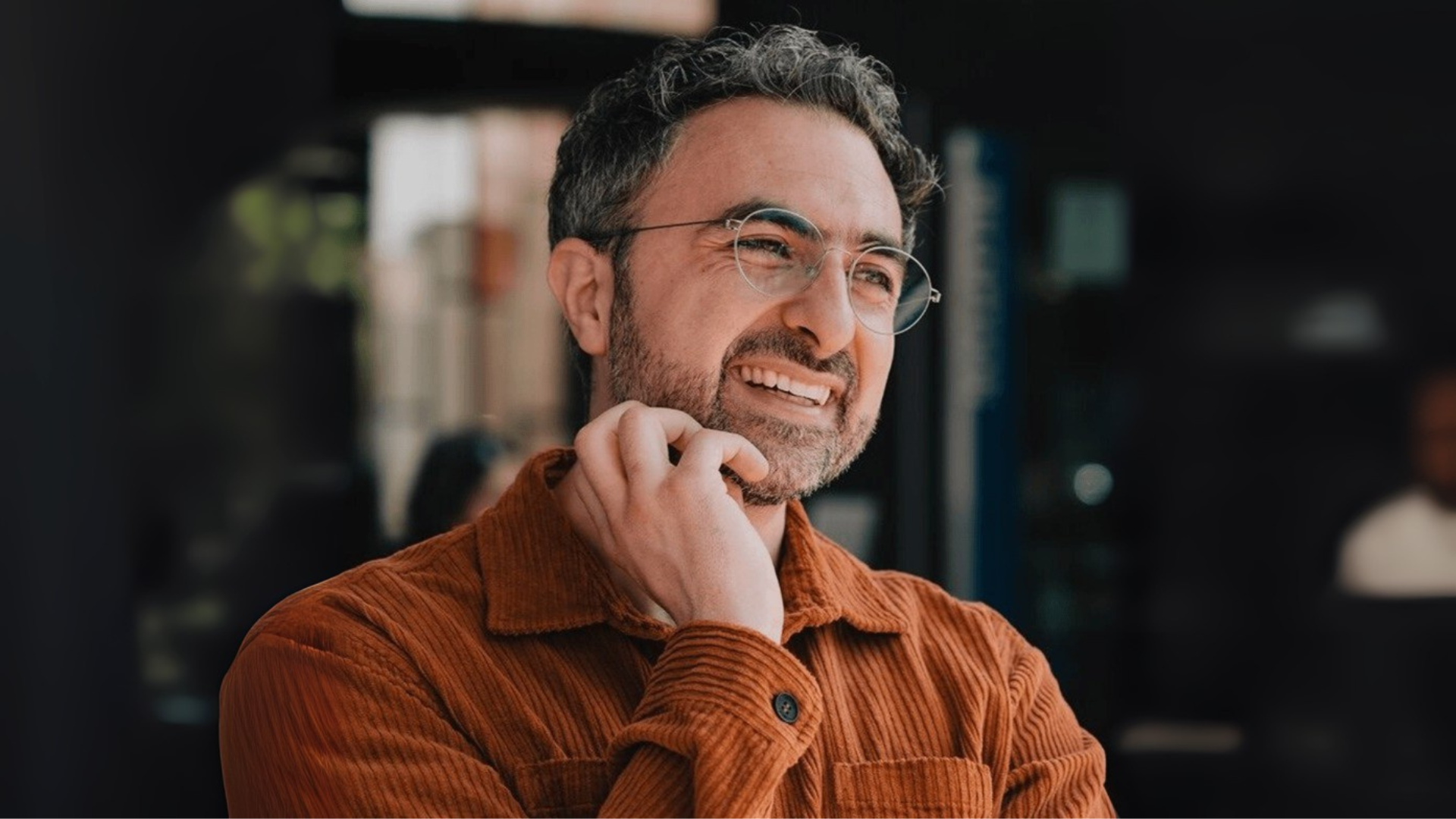
Microsoft’s Chief of AI, Mustafa Suleyman, has warned that studying whether artificial intelligence models could develop consciousness is “both premature, and frankly dangerous.” In a recent blog post, Suleyman argued that adding weight to the idea of AI welfare could intensify existing challenges, such as unhealthy attachments to chatbots and AI-induced psychological issues. He added that the debate could introduce another source of division in society around the issue of AI rights in a “world already roiling with polarized arguments over identity and rights.”
Suleyman, who previously co-founded Inflection AI before joining Microsoft in 2024, has shifted focus toward productivity tools, while other companies, including Anthropic, OpenAI, and Google DeepMind, continue to invest in research on AI welfare. Anthropic has launched a program exploring AI welfare, while DeepMind has sought researchers to study cognition and consciousness.
A 2024 paper from Eleos, co-authored with academics from NYU, Stanford, and Oxford, urged that it is “no longer in the realm of science fiction” to address the subject directly. Critics of Suleyman’s stance, such as Larissa Schiavo, a former OpenAI employee who now leads communications for Eleos, argue that concerns about AI welfare and human risks can be studied in parallel. “It’s probably best to have multiple tracks of scientific inquiry,” Schiavo said, adding that even treating AI models kindly can carry social benefits.