
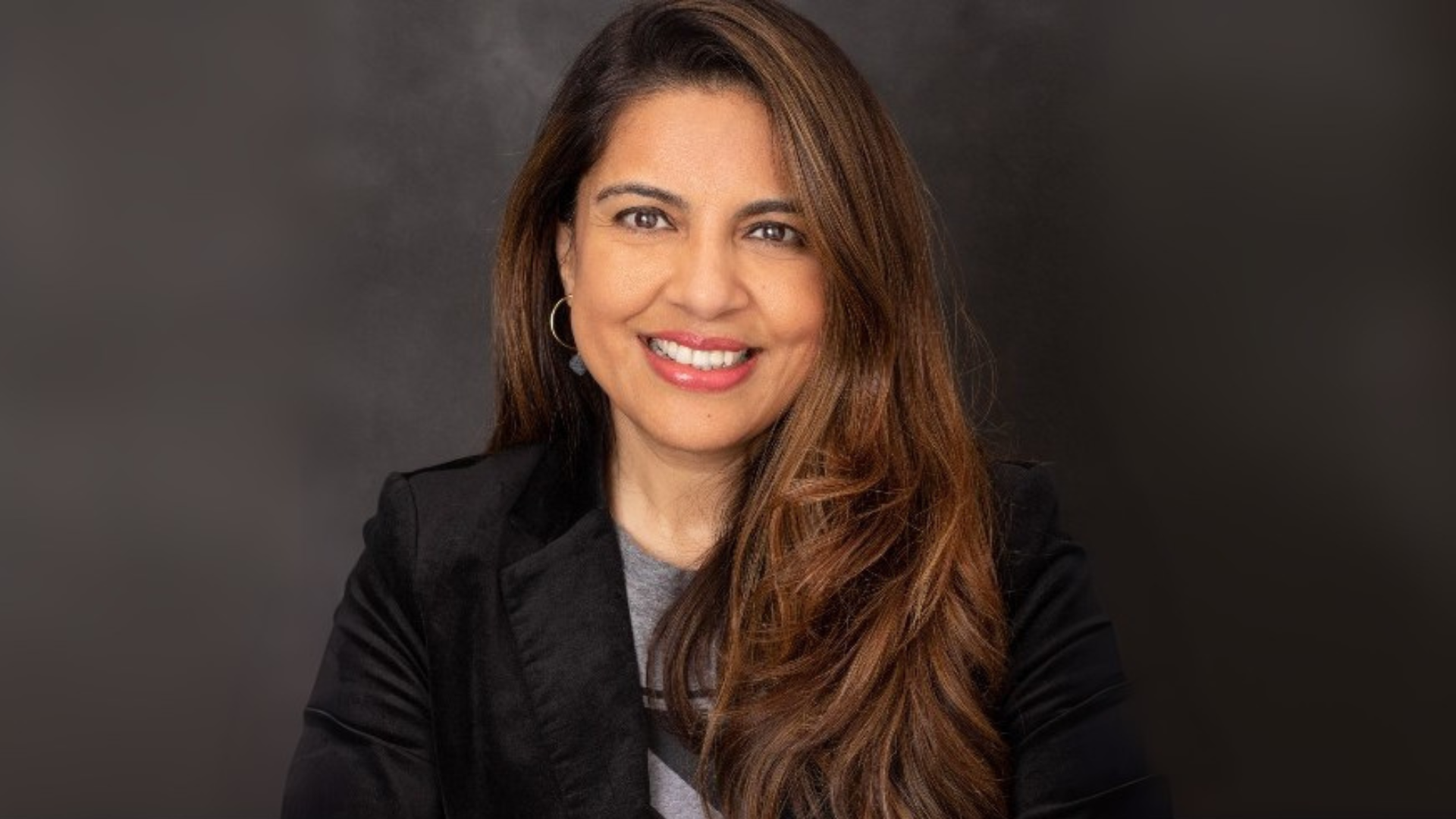
Chief People Officer Divya Ghatak at SentinelOne is reshaping how tech companies measure progress by anchoring inclusion as a business priority. Rather than treating diversity as an initiative, she views it as a strategic engine for growth. Under her leadership, SentinelOne achieved a 16% year-over-year increase in women’s representation at top management, bringing the total to 39%. This progress didn’t happen by chance—it followed a clear roadmap, from diversifying talent pipelines to launching structured interview processes and tracking DE&I metrics in real time. Ghatak is also a vocal advocate for mentorship and internal growth, having helped match over 200 mentees through the company’s MentorOne program. “Creating opportunities for women to make an impact is a win-win,” she writes, emphasizing that leadership development must start from within.
Born and educated in India, Ghatak earned a bachelor’s degree in economics from Delhi University and a master’s degree in personnel management and industrial relations from the Tata Institute of Social Sciences. Prior to SentinelOne, she held senior HR leadership roles at Nevro Corp., GoodData, and Cisco Systems. Today, she not only leads people strategy at SentinelOne but also serves on advisory boards such as Findem and supports nonprofit efforts including Watermark and Women in CyberSecurity (WiCyS). At the company, her work includes shaping inclusive hiring, fostering early career pathways, and driving leadership accountability through data. Her efforts are grounded in clarity and execution—SentinelOne's DE&I dashboards now offer live insights to address bottlenecks and support strategic decisions company-wide.
Ghatak’s focus on accountability and allyship extends well beyond metrics. She encourages senior leaders to have tough conversations and challenge gender double standards. Whether urging male colleagues to take parental leave or advocating for women-led interview panels, she consistently links inclusion to action. “It’s going to take transformational action to move the needle,” she notes—and she’s showing what that looks like, one structural change at a time.