
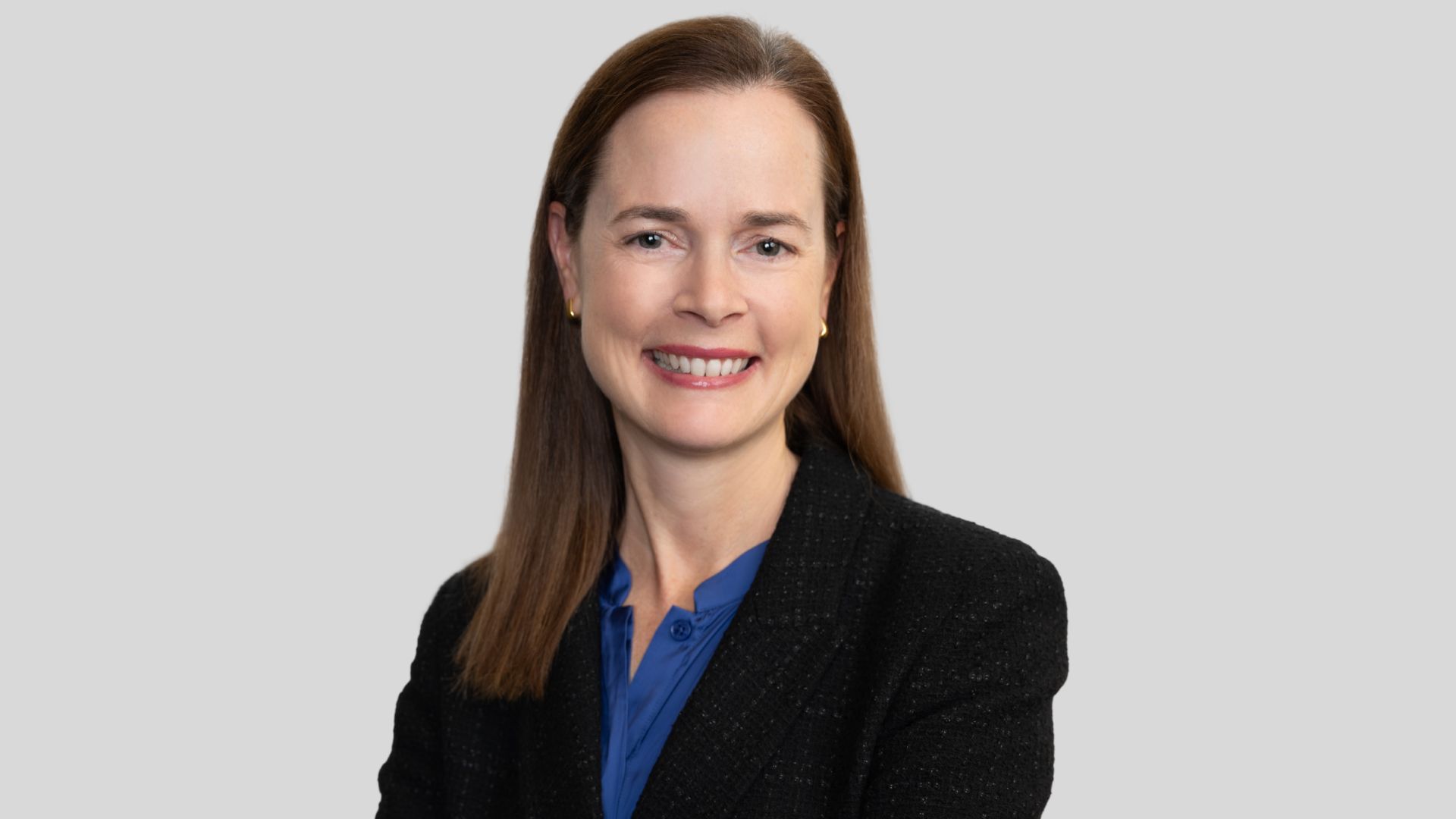
As Chief Strategy Officer of Autodesk, Debbie Clifford guides the company’s growth with a keen focus on sustainability and measurable impact. She leads corporate development, new business verticals, and social impact initiatives. With a firm belief that financial discipline and sustainability are interconnected, she ensures that the company’s resources fuel innovations addressing climate change, workforce resilience, and carbon reduction. Her data-driven approach has been instrumental in directing investments where they generate the greatest impact, positioning Autodesk as a leader in sustainable transformation across industries.
Clifford’s journey began with a bachelor’s degree in political science with a business emphasis from UCLA, followed by an MBA from the Stanford University Graduate School of Business. She first joined Autodesk in various financial leadership roles, playing a pivotal role in transitioning the company from a perpetual to a subscription-based model. After a brief departure, she returned as Chief Financial Officer before stepping into her current strategic role. Clifford also gained experience as CFO of SurveyMonkey, where she strengthened financial operations during a period of rapid expansion. Early in her career, she held positions at Virage, Inc. and Ernst & Young, further honing her expertise in financial strategy and corporate growth.
At the heart of her leadership is a commitment to maximizing Autodesk’s impact beyond financial performance. As board chair of the Autodesk Foundation, Clifford champions funding and resource allocation for high-impact nonprofits and startups tackling critical global challenges. She takes pride in ensuring accountability through data-driven measurement, guiding investments that transform industries such as construction, manufacturing, and energy. Whether driving Autodesk’s financial sustainability or advancing philanthropic efforts, Clifford remains energized by the tangible results of her work—demonstrating that business success and social good are not mutually exclusive, but rather, deeply interconnected forces shaping the future.